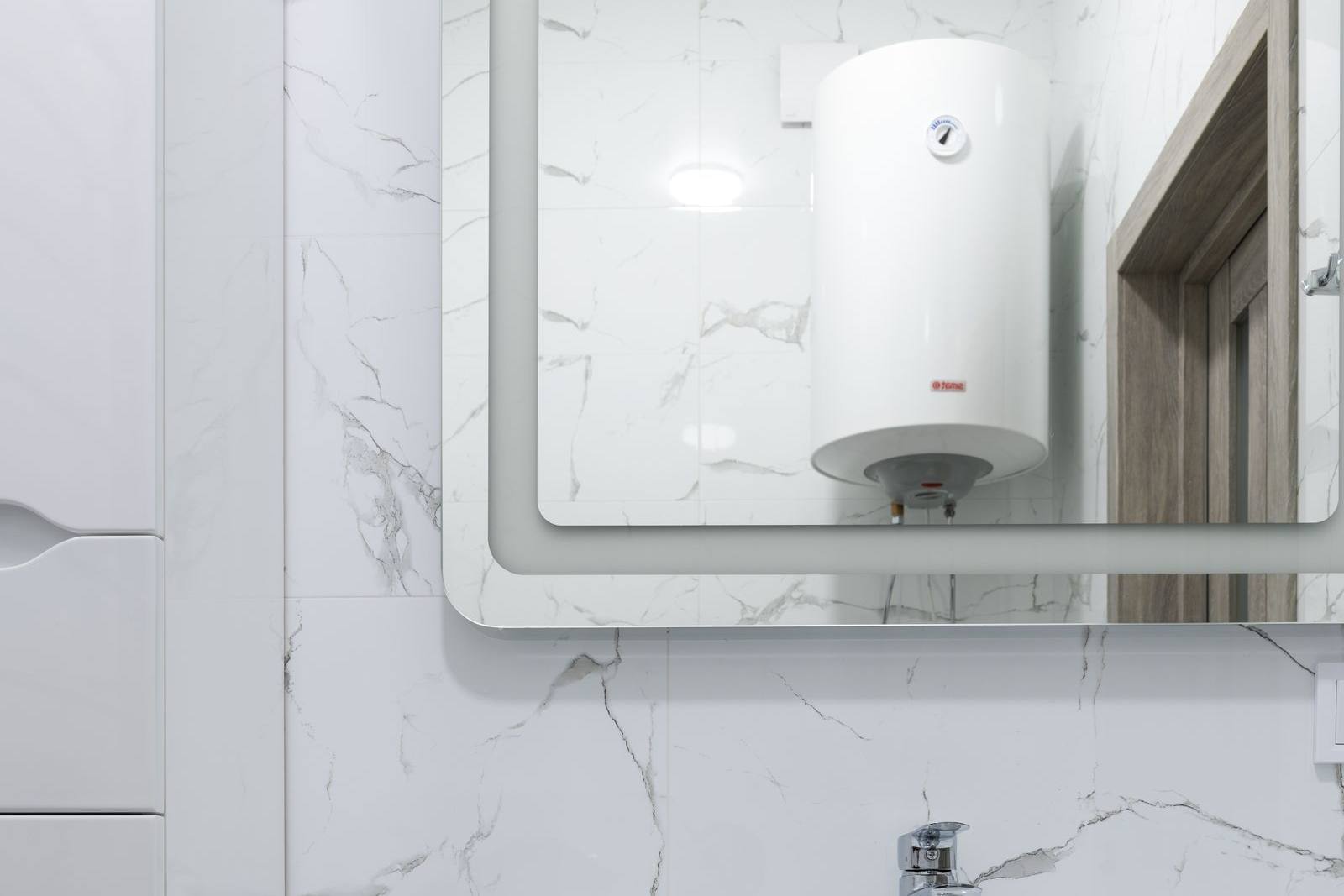
Replacing a water heater in Colorado Springs
A water heater does not usually fail without warning — it gives hints first: hot water that runs out faster, a tank that rumbles, rusty water, or a small leak that keeps coming back. The question is when to stop repairing and replace. This page explains how that decision is usually made in Colorado Springs, what choosing a new heater involves, and what a replacement visit looks like.
Colorado Springs sits at about 6,000 feet on the Front Range, at the foot of Pikes Peak, and the altitude shapes everything about a water heater here. Winters are cold and dry, with overnight temperatures regularly below freezing from late fall into spring, and a clear night after a snowstorm can drop fast. Many homes keep the heater in a garage or an unfinished basement — places that cool quickly at altitude once the sun goes down.
Repair or replace?
Replacement is usually the right call when the tank itself is leaking, when the heater is 10–12 years old and needs a major part, or when repairs keep repeating and the bills add up to a large share of a new unit. Repair is usually right for a newer heater with a single failed part — a thermostat, an element, a thermocouple, or a valve.
Age matters because a tank heater's life is set by corrosion, not by moving parts. Once the anode rod is gone and the tank starts rusting, no repair stops that process. A provider who recommends replacement should be able to point to the specific reason — a leaking tank, a failed major component on an old unit, or repeated breakdowns — rather than just the heater's age.
Choosing the right size and type
A replacement is a chance to fix a sizing mistake. A tank that is too small runs out of hot water; a tank that is too large wastes energy keeping water hot nobody uses. The right size depends on the number of bathrooms, the number of people in the home, and whether large hot-water uses — showers, laundry, dishwashing — happen at the same time.
The type matters too. A conventional tank is the simplest and cheapest replacement. A tankless unit costs more upfront and needs different gas and venting work, but it never runs out of hot water and has no tank to rust out. A heat-pump (hybrid) water heater uses far less electricity but needs space and airflow, and it cools the room it sits in — which matters in a the Front Range home where the heater may sit in a garage. A provider should ask about the household's hot-water habits before recommending a type.
What a replacement involves
A typical replacement starts with draining and removing the old unit, then setting the new one in place and connecting water, gas or electric, and venting. The provider checks the relief valve discharge, the shut-off valve, the expansion tank if one is needed, and the venting. In Colorado, a replacement also means checking that the heater is properly secured and that the installation meets local code — a step that is easy to skip and expensive to fix later.
The city's housing runs from historic homes near downtown and Old Colorado City, through mid-century neighborhoods on the east side, to newer subdivisions in the north and in Fountain and Monument. Older homes often have the original galvanized supply lines and a heater tucked in a basement corner; newer homes usually have the heater in the garage, where a hard freeze can reach it. The home's era and the heater's spot decide what a repair should look for.
What replacement costs
Local firms advertise tank water heater installs in roughly the $1,500–$3,000 range, with tankless installs higher because of the gas-line and venting work. The final price depends on the heater type and size, the condition of the existing piping and venting, and whether code updates are needed. Any figure on this site is general guidance, not a quote — the provider who responds to your request gives the actual price after seeing the installation.
After the new heater is in
A new heater still needs care. The first flush and anode-rod check should be scheduled within a year, and the manufacturer's maintenance schedule should be followed from the start — a heater that is maintained from new lasts longer than one that is only looked at when it fails. Keep the area around the heater clear, check the relief valve discharge line occasionally, and watch for the first signs of a leak at the connections.
Frequently Asked Questions
How long does a replacement take?
Most straightforward tank replacements are completed in one visit, usually within a few hours. Tankless installs and jobs that need gas-line or venting changes can take longer. The provider who responds to your request can give a better estimate once the existing installation is described.
Should I replace my water heater before it fails?
If the unit is past its expected life and showing warning signs — rusty water, rumbling, repeated repairs — replacing on your schedule is usually cheaper and less disruptive than replacing after a leak. A provider can inspect the unit and give an honest view of how much life is left.
Can I replace a tank heater with a tankless unit?
Usually yes, but the gas line may need upsizing, the venting is different, and the water connections and condensate drain need arranging. A site visit settles this before any purchase.
Do I need a permit for a water heater replacement?
Many jurisdictions require a permit and inspection for a water heater replacement, especially for gas units. The installing provider normally handles this; ask about it when the job is quoted.